Diablo 4 Season 9: Hyperspeed Teleport Necromancer Endgame Build Guide

Diablo 4 Season 9: Hyperspeed Teleport Necromancer Endgame Build Guide

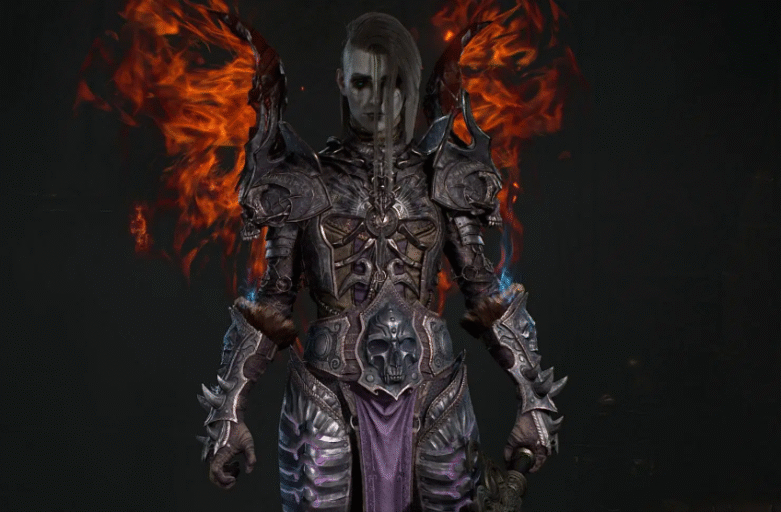
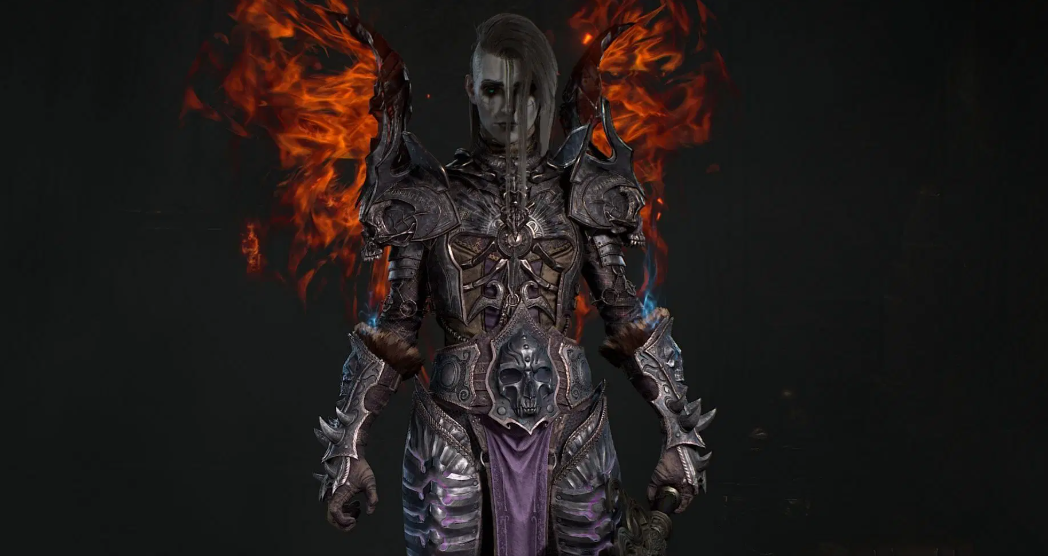
If you thought Necromancers were slow-paced summoners skulking behind skeletal walls, think again. With the launch of Season 9: Sins of the Horadrim, a bizarre and likely unintended interaction between two Horadric Powers has unlocked one of the fastest builds in Diablo 4 history: the Hyperspeed Teleport Necromancer.

This build combines glitch exploitation with elite-tier dungeon clearing, letting you permanently teleport across the map, shred enemies with curses, and annihilate farming routes faster than any Sorcerer Blink, Rogue Dash, or Druid Lunge. With the right Diablo 4 items and Attack Speed breakpoints, this Necromancer becomes a speedrunning nightmare for Sanctuary.

Concept Overview – What Makes Teleport Infinity Possible

At the heart of this build is the interaction between two Season 9 Horadric Powers:

·Cosmic Anomaly: Randomly spawns rifts that trigger special effects.

·Floating Bubble: Occasionally spawns an orb that grants a blink-like teleport when walked into, with a 4-second cooldown.

Individually, these powers are unremarkable. However, when paired and forced into a glitch state through animation canceling and high Attack Speed breakpoints, they allow your Necromancer to teleport faster than the game can register the cooldown. The result is near-instantaneous, infinite teleports across dungeons, allowing you to move and kill at an unprecedented pace.

How to Set Up the Glitch

Executing this glitch requires a precise rhythm:

1. Activate Cosmic Anomaly and Floating Bubble on your Season 9 power board.

2. Enter a dungeon (practice outside The Pit first).

3. Rapidly spam Iron Maiden to constantly proc Cosmic Anomaly.

4. Move in tight circles with your mouse slightly ahead of your character.

5. Wait for a Floating Bubble to spawn.

6. Force your character to collide with the Cosmic Anomaly orb while entering the Floating Bubble, creating an animation lock.

7. If successful, your character begins rapid, uncontrollable teleportation.

Once locked, continue casting Iron Maiden to maintain the glitch.

Buy Diablo IV Items, Gear, and Stat Priorities

To reliably trigger the glitch, specific Attack Speed breakpoints are mandatory:

·Weapon: +Attack Speed, +Core Skill Damage; fast base (dagger/focus) preferred

·Gloves: +Attack Speed for glitch consistency

·Amulet: +AS, +Cooldown Reduction

·Rings: +AS or Lucky Hit to proc extra anomalies

·Boots: Evade CDR, Movement Speed

·Off-Hand: Rune Word capable (CDR/AS synergy)

·Armor: Damage reduction and armor % to survive teleport chaos

Goal: reach Attack Speed Breakpoint Tier 2+. Below this, the glitch is inconsistent.

Skill Setup & Specializations

·Iron Maiden: Core spam skill to proc Cosmic Anomaly

·Bone Prison: Optional, for mob grouping

·Blood Mist: Defensive panic button while teleporting

·Corpse Tendrils: Crowd control and defense breaks

·Decrepify: Optional against bosses

·Reap/Bone Splinters: Generator if needed

Damage comes from curse amplification, Horadric Power ticks, and rapid movement, not direct skills.

Advantages

·Fastest build in the game – outruns every other mobility skill

·Excellent for Pit farming, Helltide, Legion Events, and NMD resets

·Unique, chaotic gameplay – like playing an action movie in fast-forward

·Necromancer finally outruns the Rogues

Disadvantages

·Glitch is inconsistent; requires practice

·May cause FPS drops, desync, or crashes

·Mechanically heavy – requires precise inputs

Gameplay Loop

1. Enter dungeon → spam curses until glitch triggers.

2. Once hyperspeed teleport activates → target objectives at lightning speed.

3. Kite enemies while laying curses dynamically.

4. Kill elites → grab loot → teleport to the next cluster.

5. Maintain movement; reset glitch if it stops.

Pro Tips:

·Small circular mouse movements help maintain anomaly range

·Tight corridors improve glitch consistency

·Practice in lower-tier dungeons before attempting The Pit

·Resetting dungeons may yield a better lock than forcing the glitch

Ideal Content to Farm

·Pit 50+ – S-tier (if glitch stable)

·Nightmare Sigils – S-tier

·Helltide, Blood Harvest, Legion Events – A-tier

·Bossing – B-tier (setup slower)

Final Thoughts

The Hyperspeed Teleport Necromancer is less a traditional build and more a speedrunner’s dream. It’s fast, glitchy, chaotic, and incredibly fun, demonstrating why ARPGs continue to excite players with emergent gameplay.

Before Blizzard patches this interaction, master the inputs and become the fastest Necromancer in Sanctuary. Use it to dominate The Pit, flex in PvE lobbies, speedfarm uniques, or simply revel in bending reality to your will.

Diablo 4 Season 10 PTR Test:Strongest Builds for Each Class

Diablo 4 Season 10 PTR Test:Strongest Builds for Each Class

The Diablo 4 Season 10 PTR has shaken up the landscape of Sanctuary with some of the boldest changes yet, and the community is already buzzing about what the strongest builds might look like when the season officially launches. While it’s important to stress that this meta is still forming – and Blizzard could introduce further balance changes before Season 10 goes live – early testing gives us a clear picture of what classes are pulling ahead.

Some builds, like Hydra Sorcerer or Twisting Blades Rogue, look comfortably strong. Others, such as Necromancer Shadow Blight or Spiritborn Jaguar Thorns, are shaping up as sleeper overpowered contenders. That said, not every class is in a great place, and some may need tuning.

1.Barbarian:Whirlwind / Mighty Throw Hybrid

    The Barbarian has always been a class that thrives on raw, relentless power, and Season 10 is no exception. Thanks to the new Unique weapon Sabre of Tsasgal, Barbarians are seeing a massive meta shift toward a hybrid Whirlwind / Mighty Throw / Hammer of the Ancients build.Instead of wasting countless hours farming for gold, choose MMOexp for a fast, secure, and affordable Diablo 4 gold delivery.

    A build that clears waves of enemies with Whirlwind, chunks down elites with Mighty Throw, and then crushes bosses with Hammer of the Ancients. It’s flexible, satisfying, and highly effective in both open-world farming and endgame dungeons.

    This may very well become the Barbarian meta build for Season 10.

    2.Druid:Rotting Lightbringer Pulverize

      Druids are also experiencing a renaissance this season, largely thanks to Chaos Armor, a new mechanic that allows legendary effects to be slotted into Diablo 4 Items in unexpected ways. With it, the fan-favorite Rotting Lightbringer Pulverize build has gotten a huge boost.

      Instead of being limited to holding Rotting Lightbringer as a weapon, you can now equip it as a Chaos Armor slot – for example, in your gloves – with boosted stats. This opens up the opportunity to equip another powerful weapon, such as The Grandfather, further stacking your damage potential.

      3.Necromancer:Shadow Blight

        If there’s one Necromancer build that stands above the rest in Season 10 PTR, it’s Shadow Blight. While skills like Blood Wave and Lidless Wall Bonestorm have been putting up impressive numbers in The Pit, Shadow builds have skyrocketed in potential thanks to recent buffs.

        This synergy makes Necromancers capable of dealing absurd damage numbers, with the potential for billions and even trillions of damage under the right conditions. Add in Ebonpiercer and Reaper Pursuit for consistency, and you have a Necro build that doesn’t just compete at the top – it dominates.

        Shadow Blight is shaping up to be the strongest Necro build of Season 10, especially for players focused on high-end farming and bossing.

        4.Rogue:Twisting Blades

          The Rogue has had a tough time recently, and sadly, Season 10 doesn’t seem to improve its overall standing. While there were high hopes for Reload Rogue and other Chaos Perk-driven setups, nothing in PTR testing suggests a breakthrough.

          That said, Twisting Blades Rogue remains the class strongest and most reliable option. It’s a build that excels in fast, fluid combat, weaving between enemies and exploiting the returning blades for massive AoE bursts.

          5.Sorcerer:Hydra

            While Lightning builds are heavily promoted in Season 10, the reality is that Hydra Sorcerer continues to outperform nearly everything else in Diablo 4 right now.

            Hydra Sorc has been powerful for multiple seasons, but the introduction of Chaos Armor has pushed it into absurd territory. Now, Sorcerers can equip multiple Hydra-boosting Amulets simultaneously rather than being locked into a single best-in-slot.

            The Hydra swarm not only melts bosses but also provides excellent map-clearing efficiency. With scaling that keeps getting better and synergy that doesn’t require excessive micromanagement, Hydra Sorcerer isn’t just the Sorc best build – it’s arguably the single most overpowered build of Season 10 PTR.

            6.Spiritborn:Jaguar Thorns

              The new class, Spiritborn, has been one of the most exciting additions to Diablo 4. While they’ve shown great potential in The Pit, the real standout build so far in Season 10 is Jaguar Thorns.

              Here’s how it works:combining which you buy Diablo IV Items Aspect of the Plains with Balazan’s Maxtlatl lets Spiritborn shatter enemy packs with massive thorn-based counterattacks.

              That said, it’s important to remember that this is still PTR testing. Blizzard has plenty of time to make adjustments, and what feels “meta-defining” now could shift dramatically when Season 10 launches.Get your cheap Diablo IV Items from MMOexp and conquer Sanctuary with ease.

              For now, though, players looking to get ahead of the curve should keep an eye on these six builds. Whether you prefer the raw power of Whirlwind Barbarian, the pet-like dominance of Hydra Sorc, or the edgy risk-reward playstyle of Jaguar Spiritborn, Season 10 promises to deliver one of the most diverse and chaotic metas Diablo 4 has seen yet.

              Why Is Diablo 4 a Success?

              Why Is Diablo 4 a Success?

              Blizzard Entertainment’s Diablo 4 Gold has become one of the most successful entries in the Diablo series since its release. Released in June 2023, it quickly captivated both long-time fans of the franchise and newcomers alike. Diablo 4 managed to overcome challenges, evolve the series’ formula, and offer a product that not only delivered on the core aspects that fans loved but also innovated in ways that appealed to a modern gaming audience. This success can be attributed to several key factors, ranging from the game’s design choices to its implementation of modern technology and its connection to the community. In this article, we will explore why Diablo 4 has been such a success, touching on gameplay innovations, storytelling, and Blizzard’s approach to balancing nostalgia with new ideas.

              1. Familiarity and Nostalgia

              First and foremost, Diablo 4 owes much of its success to its deep roots in the series’ legacy. The Diablo franchise, since its inception in 1996, has been defined by its dark atmosphere, addictive loot-based progression system, and visceral combat mechanics. For long-time fans, Diablo 4 feels like a return to the core essence of the franchise, especially after the divisive reception of Diablo 3 at launch.

              Diablo 3 faced criticism for its heavily streamlined mechanics, particularly with its focus on accessibility and the controversial Auction House, which undermined the game’s loot progression. In contrast, Diablo 4 deliberately hearkens back to the darker tone and atmosphere of the earlier games, most notably Diablo 2. This includes a more open world, a darker, gothic aesthetic, and the return of classic features such as runes, charms, and a much more substantial focus on character customization through skill trees. The graphics and overall presentation were also meticulously designed to create a dark and immersive experience, recalling the gritty, demonic world of Sanctuary.

              By providing players with a feeling of nostalgia while not feeling overly reliant on it, Diablo 4 was able to appease veterans while also drawing in a new generation of gamers who were eager to experience the franchise’s iconic blend of dungeon-crawling, loot farming, and action-packed combat.

              2. Innovative and Engaging Gameplay

              While Diablo 4’s roots are firmly planted in the franchise’s history, it is not afraid to innovate and evolve. This evolution can be seen in several key areas:

              Open World Design

              One of the most significant shifts from previous entries in the series is the introduction of an open world. Diablo 4 moves away from the traditional linear act-based structure of previous games, instead offering a vast, interconnected map full of dungeons, side quests, and points of interest. This world is designed for both solo and cooperative play, and the game encourages exploration, fostering a sense of freedom and discovery.

              The open-world design also brings dynamic events into the game. World Events and player-driven invasions introduce a level of unpredictability and community-driven interaction that was not as pronounced in earlier Diablo games. This sense of shared experience, where players can encounter each other in random events or even help in large-scale world events, was a significant enhancement.

              Combat System

              The combat system is another area where Diablo 4 shines. It retains the core hack-and-slash mechanics that the franchise is known for, but it introduces more depth and strategy. The addition of advanced skill trees for each class, coupled with the ability to experiment with different builds, allows for a much higher degree of customization and personal playstyle. Players are encouraged to create unique character builds and fine-tune their playstyle as they progress, experimenting with different skill synergies.

              The fluidity of combat is another strength. The design of Diablo 4 offers satisfying action without compromising depth. The introduction of more advanced dodge mechanics, ranged combat, and the ability to combo skills opens up a variety of strategies for dealing with different enemies. It’s fast-paced yet precise, making each combat encounter feel rewarding.

              Co-op and Multiplayer

              One of the highlights of Diablo 4 is its deep integration of multiplayer elements, particularly in its online co-op. The game enables both solo and cooperative play, allowing players to group up in parties to tackle the game’s tougher challenges, including boss battles, world events, and PvP zones. The integration of online features, such as shared events, an in-game marketplace, and player-versus-player zones, creates a thriving multiplayer experience that encourages cooperation while also fostering friendly competition. This is an aspect that Diablo 3 had, but Diablo 4 executes it much more effectively by ensuring that the co-op experience is just as enjoyable as playing solo.

              3. Narrative Depth and Storytelling

              Another major success of Diablo 4 lies in its narrative structure and storytelling. The game introduces players to a darker, more mature story centered around the return of the demonic entity, Lilith, and the horrors that follow in her wake. This story is deeply woven into the game’s world, providing context for the character’s actions and the enemies they encounter.

              The writing in Diablo 4 is much more refined compared to Diablo 3, offering a more complex and nuanced narrative. The personal stakes of the characters are well-executed, and the overarching story serves to motivate players to progress through the game’s challenges. Blizzard’s decision to tone down the comedic and often over-the-top elements present in Diablo 3 and instead focus on a more somber and serious plot paid off well, creating an atmosphere that resonates with the series’ long-time fans. The incorporation of cinematic sequences, lore, and well-developed NPCs helps immerse players further into the world of Sanctuary, making the stakes feel real and personal.

              4. Loot System and Progression

              A major reason for the success of any Diablo game is its loot system, and Diablo 4 does not disappoint. The game’s loot system is addictive and satisfying, built upon the foundational philosophy that players are constantly rewarded with better and more interesting items as they progress. Unlike the divisive Auction House of Diablo 3, Diablo 4 features a more traditional loot progression system, where players can find powerful items, upgrade them, and trade them with others.

              The depth of the loot system is also notable. Each piece of gear offers meaningful bonuses and may come with special affixes, attributes, or even unique effects, making the process of finding better gear both rewarding and exciting. This loot-based progression system is deeply tied into the game’s core loop, offering players constant progression while making the moments of discovery feel like a genuine reward. The game also introduces legendary and unique items that provide opportunities for game-changing builds, a feature beloved by many Diablo fans.

              5. Post-Launch Support and Community Engagement

              Blizzard’s commitment to post-launch support is another major factor in Diablo 4’s success. The developers have shown a strong commitment to ensuring the game remains fresh through regular updates, seasonal content, and fixes based on community feedback. Early on, players voiced concerns about balance issues, difficulty spikes, and various bugs. Blizzard responded quickly, fixing many of these issues and even tweaking the game’s difficulty level to better accommodate a wide range of players.

              In addition, Diablo 4 continues to thrive through its seasonal content updates, which introduce new features, challenges, and lore on a regular basis. This commitment to keeping the game fresh ensures that players remain engaged, giving them a reason to come back for more even after completing the main story.

              6. Technical and Visual Excellence

              Finally, it’s important to highlight the technical and visual aspects of buy Diablo IV Items. The game’s engine is highly optimized, providing stunning visuals that manage to balance a dark and gritty aesthetic with smooth, engaging gameplay. The detailed environments, dynamic lighting, and atmospheric effects all contribute to creating a world that feels alive and immersive.

              The game runs well across a variety of hardware setups, from high-end gaming PCs to consoles, ensuring that a broad range of players can enjoy the experience without issues. Additionally, the music and sound design are exceptional, adding to the overall sense of immersion and tension.

              Conclusion

              In conclusion, Diablo 4 is a success due to a combination of factors, including its return to the franchise’s roots, its innovative gameplay features, its engaging narrative, and its attention to the community. Blizzard’s ability to evolve the series while maintaining the core elements that made it successful in the first place has resonated with both old and new players alike. The seamless integration of multiplayer elements, compelling loot progression, and stunning visuals further cement Diablo 4 as one of the best action RPGs of the decade. With continued post-launch support, Diablo 4 has not only revitalized the franchise but set a high bar for future entries in the genre.

              Diablo 4: Touch of Death Spiritborn Build Guide

              In the dark and immersive world of Diablo 4, players are continually seeking the most powerful and effective builds to dominate the battlefield. One such build that has gained significant traction among players is the Touch of Death Spiritborn Build. This guide will delve into the intricacies of this build, covering its core mechanics, skill choices, gear recommendations, and strategies to maximize your effectiveness in combat.

              Understanding the Spiritborn Build

              The Spiritborn build is centered around the use of necromantic powers and spirit manipulation, allowing players to harness the strength of death and decay while maintaining a robust presence on the battlefield. The Touch of Death aspect of this build emphasizes high damage output combined with the ability to control the flow of battle through crowd control and debuffs.

              Core Skills

              To effectively utilize the Touch of Death Spiritborn Build, you’ll want to focus on the following core skills:

              1. Death’s Reach:
                This skill extends your attack range and increases the damage dealt to enemies. It’s essential for maintaining distance while still dealing significant damage.
              2. Spectral Lash:
                A key damage-dealing ability, Spectral Lash allows you to strike multiple enemies at once, making it ideal for crowd control. It also has a chance to apply a debuff, increasing the Diablo 4 Gold damage they take from your attacks.
              3. Spirit Surge:
                This skill grants you a burst of speed and damage, enabling you to reposition quickly during fights. It’s particularly useful for getting out of tight situations or closing the gap on fleeing enemies.
              4. Shadow Veil:
                This defensive ability cloaks you in shadows, providing temporary invulnerability. Utilize this skill to avoid damage when you’re outnumbered or to evade powerful attacks from bosses.
              5. Reaping Scythe:
                As a powerful finishing move, Reaping Scythe deals massive damage to a single target while healing you for a percentage of the damage dealt. This ability is perfect for taking down tough enemies or bosses.

              Gear Recommendations

              To maximize the effectiveness of the Touch of Death Spiritborn Build, selecting the right gear is crucial.#### Diablo 4: Touch of Death Spiritborn Build GuideIn the vast and treacherous world of Diablo 4, players are presented with a multitude of character classes, each offering unique playstyles and abilities. One such class that has captured the attention of many is the Spiritborn, a hybrid class that seamlessly blends the powers of the Necromancer and the Barbarian. Within the Spiritborn’s arsenal, the Touch of Death build stands out as a formidable and versatile option, capable of decimating hordes of enemies with its devastating abilities.In this comprehensive guide, we’ll delve into the intricacies of the Touch of Death Spiritborn build, providing you with the necessary insights and strategies to dominate the battlefield in Diablo 4.

              Understanding the Touch of Death Spiritborn

              The Touch of Death Spiritborn build is a powerful combination of the Necromancer’s necromantic arts and the Barbarian’s raw strength. This build focuses on harnessing the Spiritborn’s ability to summon and command undead minions, while also leveraging their potent melee abilities to deliver devastating blows.The core of this build revolves around the Touch of Death skill, which allows the Spiritborn to instantly slay weaker enemies and deal massive damage to more formidable foes. By strategically combining this skill with a variety of summoned minions, the Touch of Death Spiritborn can efficiently clear hordes of enemies and tackle even the most challenging boss encounters.

              Key Abilities and Playstyle

              To excel with the Touch of Death Spiritborn build, you’ll need to master the following key abilities:

              1. Touch of Death:
                This signature ability allows the Spiritborn to instantly slay weaker enemies and deal significant damage to more powerful targets. Mastering the timing and positioning of this skill is crucial for maximizing its effectiveness.
              2. Summon Skeleton Warriors:
                The Spiritborn’s ability to summon and command undead minions is a crucial aspect of this build. Skeleton Warriors provide a tanky frontline, drawing enemy attention and allowing the Spiritborn to focus on delivering devastating Touch of Death strikes.
              3. Whirlwind:
                The Barbarian’s iconic Whirlwind ability is a powerful tool in the Touch of Death Spiritborn’s arsenal. This skill allows the Spiritborn to quickly clear groups of enemies and maintain mobility on the Diablo 4 materials for sale battlefield.
              4. Rend:
                Rend is a powerful melee ability that deals ongoing damage to enemies, further enhancing the Spiritborn’s burst damage potential.

              The playstyle of the Touch of Death Spiritborn revolves around carefully managing your summoned minions, positioning yourself strategically, and timing your Touch of Death strikes to maximize their impact. By leveraging the synergy between your necromantic and melee abilities, you can overwhelm your opponents and carve a path of destruction through the world of Diablo 4.

              Gear and Skill Recommendations

              To optimize the performance of your Touch of Death Spiritborn build, consider the following gear and skill recommendations:Gear:

              • Prioritize items that increase the damage of your Touch of Death ability, such as those with +% Damage to Stunned/Immobilized Enemies.
              • Look for gear that enhances your summon and melee abilities, such as increased Skeleton Warrior damage or Whirlwind effectiveness.
              • Incorporate defensive stats like Resistances and Life to ensure your Spiritborn can withstand the rigors of combat.

              Skills:

              • Invest heavily in the Touch of Death skill, as it is the cornerstone of this build.
              • Unlock and upgrade the Summon Skeleton Warriors skill to create a formidable undead army.
              • Enhance your Whirlwind and Rend abilities to maintain mobility and sustain your damage output.
              • Consider utility skills like Bone Armor or Commanding Presence to further bolster your defenses and support your minions.

              Mastering the Touch of Death Spiritborn

              Becoming a true master of the Touch of Death Spiritborn build in Diablo 4 requires a deep understanding of its mechanics, a keen eye for positioning, and the ability to adapt to the ever-changing battlefield conditions. By honing your skills, optimizing your gear, and embracing the synergies between your necromantic and melee abilities, you’ll be able to dominate the most challenging encounters and emerge victorious in the face of Sanctuary’s darkest foes.So, embrace the power of the Spiritborn, unleash the Touch of Death, and let your undead army march alongside you as you carve a path of destruction through the world of Diablo 4. The future of Sanctuary rests in your hands!

              Diablo 4: Infernal Hordes Guide

              Diablo 4: Infernal Hordes Guide

              The world of Diablo 4 is teeming with dangers, and among the most formidable challenges are the Infernal Hordes—a collection of ruthless enemies hell-bent on the destruction of Sanctuary. Whether you’re new to the series or a veteran adventurer, battling these relentless forces is one of the game’s most exciting and rewarding experiences. In this comprehensive guide, we’ll walk you through everything you need to know about the Infernal Hordes, including how to tackle these monstrous challenges, tips for maximizing Diablo 4 Gold, and strategies to survive and thrive in the heat of battle.

              What Are the Infernal Hordes?

              The Infernal Hordes in Diablo 4 are a dynamic, high-difficulty event system that introduces waves of increasingly tough enemies to the world of Sanctuary. These horde events occur in specific locations and are designed to challenge players to band together and fight back against overwhelming numbers of demons, undead, and other horrific creatures.

              As part of the game’s endgame content, Infernal Hordes are typically available during seasonal events or specific in-game moments that ramp up the stakes. These events are different from regular dungeon runs or side missions as they present escalating waves of enemies, usually with powerful bosses at the end, making them a more intense and rewarding activity.

              How Infernal Hordes Work

              Infernal Hordes are triggered through special events scattered throughout the game’s open world. The basic flow of an Infernal Horde encounter typically follows a pattern:

              Event Trigger: Players will either receive a notification in their in-game UI or hear about an Infernal Horde through specific NPCs. These events often appear as large area markers or icons on the map, indicating a location where a horde is about to be unleashed.

              Wave-based Combat: Once the event begins, players must face waves of enemies. The difficulty and number of enemies increase with each wave, forcing players to adapt and cooperate in order to survive. These waves often come with special modifiers that affect the enemies, such as increased health, damage, or special abilities.

              Boss Encounters: After the waves of enemies have been cleared, players typically face off against one or more Infernal Horde bosses. These bosses are more formidable than regular enemies, often boasting unique abilities, high health pools, and devastating attacks that can wipe out unprepared groups.

              Rewards: Defeating the Infernal Horde usually results in significant loot drops, such as Legendary and Unique items, gold, crafting materials, and other resources that are valuable for progressing your character’s build and upgrading gear.

              Duration: While some Horde events can last for several minutes, others may take longer depending on the difficulty, the number of waves, and how well the group works together. The tougher the Horde, the greater the potential rewards.

              Infernal Horde Locations

              Infernal Horde events are spread across the vast regions of Sanctuary. However, they are not static and may shift over time. These events are often highlighted on the world map and occur in specific areas that are usually infested with demonic forces. While some regions are more likely to experience these events than others, players will often need to explore various zones to find where these Horde events are currently active.

              Some of the key regions where Infernal Hordes commonly occur include:

              Scosglen: A dangerous area full of corrupt druids and deadly wildlife, perfect for the Infernal Hordes to make their presence known.

              Fractured Peaks: Known for its snowy terrain and towering mountains, this region is often a hotspot for the more aggressive demonic entities.

              Dry Steppes: A sun-scorched desert that is ripe for Infernal Hordes, where sand demons and fire-based enemies are prevalent.

              Hawezar: A swampy region filled with deadly poisonous creatures, making it an ideal environment for the sinister entities of the Infernal Hordes to thrive.

              When an Infernal Horde event is active, it will be marked with a special icon on the world map, drawing players toward the battle. Some events may only be accessible during certain hours, while others may be linked to the game’s seasons or special challenges.

              Infernal Horde Enemies

              The Infernal Hordes are not just a static wave of monsters—they are made up of a variety of enemies from Diablo 4’s rich roster of creatures. Each Horde will feature a unique combination of enemies, with some factions being more prominent in certain regions.

              Here are some of the more common enemy types you can expect to encounter during an Infernal Horde event:

              1. Demon Factions

              The Demon faction is one of the most common types of enemies you’ll face. This includes fiery creatures, hellish beasts, and classic Diablo demons like the Fallen, Succubi, and Infernal Beasts. These enemies can often be identified by their fire-based attacks, high resistance to elemental damage, and the ability to overwhelm players with sheer numbers.

              Minions of Hell: These are the lower-tier demons, quick and plentiful, often coming in large groups to swarm players.

              Elite Demon Warriors: Stronger demon variants with high health, damage, and deadly skills that can stun or knock back players.

              2. Undead Monsters

              Undead hordes are a staple in the Diablo universe, and they are no less threatening in Infernal Horde events. Expect to face a wide range of skeletons, zombies, ghosts, and even Liches—all of which can pose a serious threat.

              Skeleton Warriors and Archers: These creatures are usually the frontline of any Undead Horde. While relatively weak individually, their numbers can be overwhelming.

              Necromantic Horrors: These monsters are capable of raising additional undead or draining life from players, making them particularly dangerous in large numbers.

              Graveyard Lords: Boss-type enemies capable of summoning powerful undead allies and casting debilitating debuffs on players.

              3. Elite Monsters

              During an Infernal Horde event, players will encounter Elite versions of regular enemies. These creatures are more challenging and often have abilities that can inflict poison, burn, stun, or even freeze.

              Poison-spitting demons: Inflict debuffs that drain health over time.

              Tougher bosses with massive health pools and complex attack patterns.

              Infernal Horde Strategies

              Taking on an Infernal Horde is no easy feat, especially as the waves progress. However, with the right strategies and preparation, you can significantly improve your chances of success. Here are some tips to help you tackle these brutal events:

              1. Teamwork is Key

              While it’s technically possible to take on an Infernal Horde solo, the team-based nature of these events makes them far easier and more enjoyable with a group. Coordinate with others in your party, especially when it comes to crowd control, damage output, and healing.

              Crowd Control: Classes like the Sorceress and Necromancer excel at controlling crowds with Area of Effect (AoE) spells that can lock down groups of enemies.

              Tank and Healer Roles: Characters like the Barbarian and Druid make excellent tanks, soaking up damage and holding enemies at bay. Pair them with support characters like the Paladin for healing and buffs.

              2. Know the Enemy

              Each Infernal Horde will feature unique enemies, so knowing what you’re up against can give you a tactical advantage. Some enemies may be more susceptible to certain elemental damages, like cold or fire, so be sure to equip gear or use skills that exploit these weaknesses.

              Fire Resistance: Many of the demon-based enemies in Infernal Hordes will deal fire damage, so equipping gear with fire resistance is a good idea.

              Poison and Curse Immunity: Some undead creatures and poison-spitting demons will deal poison damage. Make sure your character has some resistance or items to mitigate these debuffs.

              3. Prepare Your Gear

              The difficulty of Infernal Hordes increases with each wave, so ensure your gear is up to par. Keep an eye on your damage output, defense, and utility (like healing potions or cooldown reduction). Equip Legendary or Set items that enhance your build’s strength.

              Upgrading Gear: Make sure to upgrade your weapons and armor, especially when you anticipate more difficult bosses.

              Potions and Scrolls: Bring plenty of health potions, and use scrolls that boost your damage or resistance.

              4. Take Advantage of Environmental Hazards

              During Infernal Horde events, you may encounter environmental hazards—such as traps or explosive barrels—that can give you an edge. Use these to clear waves quickly or to damage bosses from a distance.

              Rewards and Progression

              Successfully completing an Infernal Horde event will grant players valuable rewards. These rewards include:

              Legendary and Unique Items: These high-tier items are a great way to upgrade your gear.

              Crafting Materials: Materials for upgrading weapons and armor.

              Gold and XP: Experience points and gold are also common rewards, which are essential for leveling up and buying better gear.

              Additionally, Infernal Horde events contribute to various seasonal progression and in-game challenges, helping players unlock exclusive cosmetics and buy Diablo IV Gold.

              Conclusion

              The Infernal Hordes in Diablo 4 are an exciting and intense form of endgame content, offering both significant challenges and lucrative rewards. By understanding the structure of these events, coordinating with your team, and preparing your character’s build and gear, you can overcome these daunting trials and emerge victorious. Whether you’re in it for the loot, the challenge, or the thrill of facing down hellish enemies, the Infernal Hordes provide a dynamic and rewarding experience in the ever-expanding world of Diablo 4.