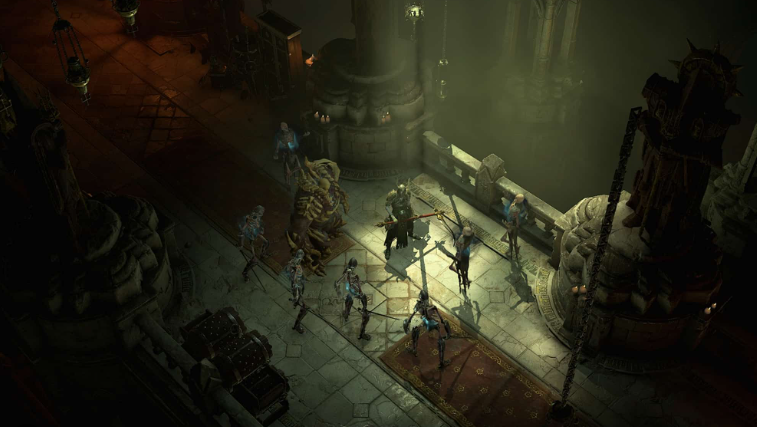
The world of Diablo 4 is teeming with dangers, and among the most formidable challenges are the Infernal Hordes—a collection of ruthless enemies hell-bent on the destruction of Sanctuary. Whether you’re new to the series or a veteran adventurer, battling these relentless forces is one of the game’s most exciting and rewarding experiences. In this comprehensive guide, we’ll walk you through everything you need to know about the Infernal Hordes, including how to tackle these monstrous challenges, tips for maximizing Diablo 4 Gold, and strategies to survive and thrive in the heat of battle.
What Are the Infernal Hordes?
The Infernal Hordes in Diablo 4 are a dynamic, high-difficulty event system that introduces waves of increasingly tough enemies to the world of Sanctuary. These horde events occur in specific locations and are designed to challenge players to band together and fight back against overwhelming numbers of demons, undead, and other horrific creatures.
As part of the game’s endgame content, Infernal Hordes are typically available during seasonal events or specific in-game moments that ramp up the stakes. These events are different from regular dungeon runs or side missions as they present escalating waves of enemies, usually with powerful bosses at the end, making them a more intense and rewarding activity.
How Infernal Hordes Work
Infernal Hordes are triggered through special events scattered throughout the game’s open world. The basic flow of an Infernal Horde encounter typically follows a pattern:
Event Trigger: Players will either receive a notification in their in-game UI or hear about an Infernal Horde through specific NPCs. These events often appear as large area markers or icons on the map, indicating a location where a horde is about to be unleashed.
Wave-based Combat: Once the event begins, players must face waves of enemies. The difficulty and number of enemies increase with each wave, forcing players to adapt and cooperate in order to survive. These waves often come with special modifiers that affect the enemies, such as increased health, damage, or special abilities.
Boss Encounters: After the waves of enemies have been cleared, players typically face off against one or more Infernal Horde bosses. These bosses are more formidable than regular enemies, often boasting unique abilities, high health pools, and devastating attacks that can wipe out unprepared groups.
Rewards: Defeating the Infernal Horde usually results in significant loot drops, such as Legendary and Unique items, gold, crafting materials, and other resources that are valuable for progressing your character’s build and upgrading gear.
Duration: While some Horde events can last for several minutes, others may take longer depending on the difficulty, the number of waves, and how well the group works together. The tougher the Horde, the greater the potential rewards.
Infernal Horde Locations
Infernal Horde events are spread across the vast regions of Sanctuary. However, they are not static and may shift over time. These events are often highlighted on the world map and occur in specific areas that are usually infested with demonic forces. While some regions are more likely to experience these events than others, players will often need to explore various zones to find where these Horde events are currently active.
Some of the key regions where Infernal Hordes commonly occur include:
Scosglen: A dangerous area full of corrupt druids and deadly wildlife, perfect for the Infernal Hordes to make their presence known.
Fractured Peaks: Known for its snowy terrain and towering mountains, this region is often a hotspot for the more aggressive demonic entities.
Dry Steppes: A sun-scorched desert that is ripe for Infernal Hordes, where sand demons and fire-based enemies are prevalent.
Hawezar: A swampy region filled with deadly poisonous creatures, making it an ideal environment for the sinister entities of the Infernal Hordes to thrive.
When an Infernal Horde event is active, it will be marked with a special icon on the world map, drawing players toward the battle. Some events may only be accessible during certain hours, while others may be linked to the game’s seasons or special challenges.
Infernal Horde Enemies
The Infernal Hordes are not just a static wave of monsters—they are made up of a variety of enemies from Diablo 4’s rich roster of creatures. Each Horde will feature a unique combination of enemies, with some factions being more prominent in certain regions.
Here are some of the more common enemy types you can expect to encounter during an Infernal Horde event:
1. Demon Factions
The Demon faction is one of the most common types of enemies you’ll face. This includes fiery creatures, hellish beasts, and classic Diablo demons like the Fallen, Succubi, and Infernal Beasts. These enemies can often be identified by their fire-based attacks, high resistance to elemental damage, and the ability to overwhelm players with sheer numbers.
Minions of Hell: These are the lower-tier demons, quick and plentiful, often coming in large groups to swarm players.
Elite Demon Warriors: Stronger demon variants with high health, damage, and deadly skills that can stun or knock back players.
2. Undead Monsters
Undead hordes are a staple in the Diablo universe, and they are no less threatening in Infernal Horde events. Expect to face a wide range of skeletons, zombies, ghosts, and even Liches—all of which can pose a serious threat.
Skeleton Warriors and Archers: These creatures are usually the frontline of any Undead Horde. While relatively weak individually, their numbers can be overwhelming.
Necromantic Horrors: These monsters are capable of raising additional undead or draining life from players, making them particularly dangerous in large numbers.
Graveyard Lords: Boss-type enemies capable of summoning powerful undead allies and casting debilitating debuffs on players.
3. Elite Monsters
During an Infernal Horde event, players will encounter Elite versions of regular enemies. These creatures are more challenging and often have abilities that can inflict poison, burn, stun, or even freeze.
Poison-spitting demons: Inflict debuffs that drain health over time.
Tougher bosses with massive health pools and complex attack patterns.
Infernal Horde Strategies
Taking on an Infernal Horde is no easy feat, especially as the waves progress. However, with the right strategies and preparation, you can significantly improve your chances of success. Here are some tips to help you tackle these brutal events:
1. Teamwork is Key
While it’s technically possible to take on an Infernal Horde solo, the team-based nature of these events makes them far easier and more enjoyable with a group. Coordinate with others in your party, especially when it comes to crowd control, damage output, and healing.
Crowd Control: Classes like the Sorceress and Necromancer excel at controlling crowds with Area of Effect (AoE) spells that can lock down groups of enemies.
Tank and Healer Roles: Characters like the Barbarian and Druid make excellent tanks, soaking up damage and holding enemies at bay. Pair them with support characters like the Paladin for healing and buffs.
2. Know the Enemy
Each Infernal Horde will feature unique enemies, so knowing what you’re up against can give you a tactical advantage. Some enemies may be more susceptible to certain elemental damages, like cold or fire, so be sure to equip gear or use skills that exploit these weaknesses.
Fire Resistance: Many of the demon-based enemies in Infernal Hordes will deal fire damage, so equipping gear with fire resistance is a good idea.
Poison and Curse Immunity: Some undead creatures and poison-spitting demons will deal poison damage. Make sure your character has some resistance or items to mitigate these debuffs.
3. Prepare Your Gear
The difficulty of Infernal Hordes increases with each wave, so ensure your gear is up to par. Keep an eye on your damage output, defense, and utility (like healing potions or cooldown reduction). Equip Legendary or Set items that enhance your build’s strength.
Upgrading Gear: Make sure to upgrade your weapons and armor, especially when you anticipate more difficult bosses.
Potions and Scrolls: Bring plenty of health potions, and use scrolls that boost your damage or resistance.
4. Take Advantage of Environmental Hazards
During Infernal Horde events, you may encounter environmental hazards—such as traps or explosive barrels—that can give you an edge. Use these to clear waves quickly or to damage bosses from a distance.
Rewards and Progression
Successfully completing an Infernal Horde event will grant players valuable rewards. These rewards include:
Legendary and Unique Items: These high-tier items are a great way to upgrade your gear.
Crafting Materials: Materials for upgrading weapons and armor.
Gold and XP: Experience points and gold are also common rewards, which are essential for leveling up and buying better gear.
Additionally, Infernal Horde events contribute to various seasonal progression and in-game challenges, helping players unlock exclusive cosmetics and buy Diablo IV Gold.
Conclusion
The Infernal Hordes in Diablo 4 are an exciting and intense form of endgame content, offering both significant challenges and lucrative rewards. By understanding the structure of these events, coordinating with your team, and preparing your character’s build and gear, you can overcome these daunting trials and emerge victorious. Whether you’re in it for the loot, the challenge, or the thrill of facing down hellish enemies, the Infernal Hordes provide a dynamic and rewarding experience in the ever-expanding world of Diablo 4.